- You can make consistently and price labor honestly
- You enjoy product improvement and quality control
- You can test a narrow line before buying production capacity
Product and maker business
Start Cannabis Beauty Products
Cannabis Beauty Products is a product and maker business idea. Use the planning profile to judge its customer, operating load, and smallest sensible test.
Typical planning profile
Compare the operating shape.
Model-based 1–5 starting estimates, not individually researched ratings or local cost, demand, and income predictions. How the scale works →
- Setup load
- 3/5ModerateRelative need for space, equipment, inventory, and working cash.
- First-sale speed
- 3/5ModerateRelative speed of reaching a credible paid test—not a promise of revenue.
- Solo fit
- 4/5Solo-friendlyHow naturally the model can begin with one owner before adding help.
- Rules and risk
- 4/5SignificantRelative need to verify licenses, safety, privacy, zoning, or insurance.
- AI leverage
- 3/5MeaningfulWhere AI can reduce administrative or production work while the owner remains accountable.
The honest take
Could this fit how you want to work?
Cannabis Beauty Products is typically a product and maker business model. A small batch or preorder can reveal whether customers value the product enough to cover materials, production time, defects, and selling costs.
- Owner labor is treated as free
- Too many custom options prevent repeatability
- Wholesale, shipping, defects, and returns erase the margin
How the business works
Customer, offer,
and operating model.
Use this as a starting hypothesis. The version that works depends on the customer, location, price, and delivery choices you make.
Who pays?
buyers who value the product’s function, design, customization, provenance, or convenience.
What do they buy?
a repeatable product line or clearly priced custom item.
How money arrives
Product or custom order. The exact pricing unit should match how the customer experiences value.
How it starts
Solo-first, usually in a workshop, studio, or small production space setting. Add people only when demand and the work are clear.
Two ways to use this idea
Starting from zero—or adding a new line.
The same idea creates different risks for a first-time founder and an established operator.
- 01
Define one buyer and the smallest version of a repeatable product line or clearly priced custom item.
- 02
Talk with at least ten relevant buyers who value the product’s function, design, customization, provenance, or convenience before building the mature version.
- 03
Ask for a paid pilot, deposit, preorder, booking, or another commitment that tests behavior rather than enthusiasm.
- 01
Offer cannabis beauty products first to customers who already trust the business.
- 02
Reuse existing staff, systems, space, suppliers, and customer knowledge only where they truly reduce cost or risk.
- 03
Track whether the new offer improves contribution and retention without creating hidden complexity in the core business.
Read the restored original guide
Restored original guide
Keep the useful detail. Recheck what can change.
The original Business.How guide for cannabis beauty products has been retained as a practical planning reference.
Step 1: Determine if the Business is the Right Endeavor
Breakdown of Startup Expenses
Starting a cannabis beauty products business requires a significant investment of time and money. It is important to understand the costs associated with launching the business and to create a budget to ensure that the business is financially viable. The startup expenses for a cannabis beauty products business may include the cost of registering the business, obtaining a business license, purchasing equipment and supplies, and hiring employees. Additionally, the business may need to pay for marketing and advertising costs to get the word out about the business. It is important to research the costs associated with launching the business and to create a budget to ensure that the business is financially viable.
Breakdown of Ongoing Expenses
Once the business is up and running, there will be ongoing expenses that must be taken into account. These expenses may include rent or mortgage payments, utilities, salaries for employees, insurance, and other costs associated with running the business. Additionally, the business may need to pay for marketing and advertising costs to keep customers informed about new products and promotions. It is important to research the costs associated with running the business and to create a budget to ensure that the business is financially viable.
Examples of Ways to Make Money
Once the business is up and running, there are a variety of ways to make money. The business could sell its products directly to customers, either through an online store or a physical retail location. Additionally, the business could partner with other businesses to sell its products, such as beauty salons, spas, and health food stores. The business could also offer services related to its products, such as consultations and classes. Finally, the business could offer wholesale pricing to other businesses that are interested in selling the products. It is important to research the different ways to make money and to create a budget to ensure that the business is financially viable.
Step 2: Name the Business
When naming a business, it is important to choose a name that is memorable, easy to spell, and that conveys the message of what the business is about. It is also important to make sure the name is not already taken by another business. A great way to come up with a name is to brainstorm ideas with friends and family and to research what other businesses in the same industry are called. It is also important to consider the domain name associated with the business and make sure it is available.
Once a name is chosen, it is important to register the business with the state and to make sure the name is trademarked. This will help protect the business from any potential legal issues. Additionally, it is important to make sure the name is not already taken by another business. This can be done by searching the United States Patent and Trademark Office database.
When it comes to branding, it is important to create a logo and website for the business. This will help to create a recognizable brand and will help to differentiate the business from competitors. Additionally, it is important to create a tagline that conveys the message of the business. This will help to create a memorable brand that customers will recognize.
Finally, it is important to create social media accounts for the business. This will help to create an online presence and will help to spread the word about the business. Additionally, it is important to create content that is relevant to the business and that will help to engage customers. This will help to create a loyal customer base and will help to increase sales.
Step 3: Secure Financing
When starting a cannabis beauty products business, there are a few options for financing the venture. The first option is to use personal savings. This is a great option if you have the financial resources to do so. Another option is to seek out investors. This can be done through angel investors, venture capitalists, or crowdfunding platforms. It is important to do your research and find the best option for your business.
Writing a Business Plan
Writing a business plan is an important step in securing financing for your cannabis beauty products business. A business plan should include an executive summary, a description of the business, a market analysis, a competitive analysis, a description of the product or service, a marketing plan, an operations plan, a management team, and a financial plan. It is important to be detailed and thorough when writing a business plan, as it will be used to convince potential investors of the viability of the business.
Applying for Loans
Another option for financing a cannabis beauty products business is to apply for a loan. There are a variety of loan options available, including traditional bank loans, Small Business Administration (SBA) loans, and alternative lenders. It is important to do your research and find the best loan option for your business. When applying for a loan, you will need to provide a business plan, financial statements, and other documents to prove the viability of the business.
Step 4: Create a Business Plan
Creating a business plan is an essential part of starting a cannabis beauty products business. The plan should include an executive summary, a company description, a market analysis, an organization and management plan, a service or product line, a marketing plan, and a financial plan. The executive summary should provide an overview of the entire business plan. The company description should include the mission statement, the legal structure of the business, and the location of the business. The market analysis should include an analysis of the target market, the competition, and the market trends. The organization and management plan should include the organizational structure of the business, the roles of each team member, and the management style. The service or product line should include the products and services that the business will offer. The marketing plan should include the strategies and tactics that will be used to promote the business. The financial plan should include the startup costs, the ongoing costs, and the projected revenue.
Step 5: Secure Funding
Sources of Funding
Securing funding is an important step in starting a cannabis beauty products business. There are a variety of sources of funding available, including personal savings, angel investors, venture capital, bank loans, and crowdfunding. Personal savings can be used to cover startup costs, but may not be enough to cover all of the costs. Angel investors are individuals who provide capital to startups in exchange for equity. Venture capital firms provide capital to startups in exchange for equity. Bank loans can be used to cover startup costs, but may require collateral. Crowdfunding is a way to raise capital from a large number of people.
Step 6: Choose a Location
When choosing a location for a cannabis beauty products business, there are several factors to consider. First, the location should be easily accessible to customers. This could mean being close to public transportation or having ample parking. Additionally, the location should be in an area that is zoned for cannabis businesses. It is also important to consider the cost of rent and the availability of other businesses in the area that could be potential partners.
Researching Local Laws
It is also important to research local laws and regulations before choosing a location. Different states and cities have different laws and regulations regarding cannabis businesses. It is important to make sure that the business is in compliance with all applicable laws and regulations. Additionally, it is important to make sure that the business is properly licensed and insured.
Securing the Location
Once a location has been chosen, it is important to secure the location. This includes signing a lease, obtaining permits, and making any necessary renovations. It is also important to make sure that the location is secure and that the business has the necessary security measures in place.
Finalizing the Location
Once all of the necessary steps have been taken, the location should be finalized. This includes making sure that all of the necessary paperwork has been completed and that the business is in compliance with all applicable laws and regulations. Additionally, the business should be properly insured and have the necessary security measures in place. Finally, the business should be ready to open its doors to customers.
Factors to Consider
Choosing a location for a cannabis beauty products business is an important step. Factors to consider include the size of the space, the cost of the space, the zoning laws, and the proximity to customers. The size of the space should be large enough to accommodate the business’s needs. The cost of the space should be within the budget of the business. The zoning laws should allow for the business to operate in the area. The proximity to customers should be close enough that customers can easily access the business.
Step 7: Obtain Licenses and Permits
Types of Licenses and Permits
Obtaining the necessary licenses and permits is an important step in starting a cannabis beauty products business. The types of licenses and permits required will vary depending on the location of the business. Generally, a business license, a seller’s permit, and a zoning permit will be required. A business license is required to operate a business in most locations. A seller’s permit is required to sell products in most locations. A zoning permit is required to operate a business in certain locations.
Step 8: Market the Business
Once the business is up and running, it is important to get the word out. There are many strategies for marketing a cannabis beauty products business. One of the most effective strategies is to create a website and use social media to promote the business. Additionally, it is important to create a brand identity and create a logo to help customers recognize the business. It is also important to create a presence at local events and trade shows to get the word out about the business.
Advertising
Advertising is an important part of marketing a business. There are many ways to advertise a cannabis beauty products business. One way is to create ads on social media platforms such as Facebook, Instagram, and Twitter. Additionally, it is important to create ads in local newspapers and magazines. Additionally, it is important to create ads on radio and television. Finally, it is important to create ads on websites that are related to the cannabis industry.
Networking
Networking is an important part of marketing a business. It is important to network with other businesses in the cannabis industry. Additionally, it is important to network with potential customers and industry professionals. Networking can be done in person at local events and trade shows, or it can be done online through social media platforms and other online forums.
Public Relations
Public relations is an important part of marketing a business. It is important to create relationships with the media and to create press releases to get the word out about the business. Additionally, it is important to create relationships with influencers and bloggers in the cannabis industry. Finally, it is important to create relationships with local businesses and organizations to create partnerships and collaborations.
Strategies for Marketing
Marketing the business is an important step in starting a cannabis beauty products business. Strategies for marketing the business include creating a website, using social media, attending trade shows, and advertising in local publications. A website should be created to showcase the products and services that the business offers. Social media should be used to reach potential customers. Attending trade shows can be a great way to network and meet potential customers. Advertising in local publications can be a great way to reach potential customers.
Step 9: Monitor the Business
Monitoring the business is an important step in ensuring the success of the cannabis beauty products business. It is important to track the progress of the business, as well as any changes in the industry. This can be done by keeping up with industry trends, tracking customer feedback, and keeping an eye on competitors. Additionally, it is important to track the financials of the business, such as sales, expenses, and profits. This will help to identify areas of improvement and areas where the business is succeeding.
Strategies for Improving the Business
Once the business is being monitored, it is important to identify areas of improvement. This can be done by analyzing customer feedback and industry trends. Additionally, it is important to look for ways to increase efficiency and reduce costs. This could include looking for new suppliers or streamlining processes. Finally, it is important to stay up to date on the latest technology and trends in the industry, as this can help to improve the business and keep it competitive.
EXPLORE MORE CATEGORIES
Browse ALL Business Idea Categories
Strategies for Monitoring
Monitoring the business is an important step in starting a cannabis beauty products business. Strategies for monitoring the business include tracking sales, tracking expenses, tracking customer feedback, and tracking industry trends. Sales should be tracked to ensure that the business is meeting its goals. Expenses should be tracked to ensure that the business is staying within its budget. Customer feedback should be tracked to ensure that the products and services are meeting customer needs. Industry trends should be tracked to ensure that the business is staying competitive.
Step 5: Obtain Licenses and Permits
In order to start a cannabis beauty products business, you will need to obtain the necessary licenses and permits. Depending on the state you are operating in, you may need to obtain a business license, a cannabis license, and a retail permit. Additionally, you may need to obtain a license to manufacture and distribute cannabis products. It is important to research the laws and regulations in your state to make sure you are in compliance with all applicable laws.
Cost of Licenses and Permits
The cost of obtaining the necessary licenses and permits can vary greatly depending on the state you are operating in. In some states, the cost of a business license may be as low as $50, while in other states, the cost of a cannabis license may be upwards of $5,000. Additionally, some states may require you to pay an annual fee in order to maintain your licenses and permits. It is important to research the laws and regulations in your state to determine the cost of obtaining the necessary licenses and permits.
Application Process
The application process for obtaining the necessary licenses and permits can vary depending on the state you are operating in. In some states, the application process may be as simple as filling out an online form and submitting the required documents. In other states, the application process may be more complex and require you to submit a detailed business plan and financial projections. Additionally, some states may require you to attend an in-person interview or hearing in order to obtain the necessary licenses and permits. It is important to research the laws and regulations in your state to determine the application process for obtaining the necessary licenses and permits.
Time Frame
The time frame for obtaining the necessary licenses and permits can vary depending on the state you are operating in. In some states, the process may take as little as a few weeks, while in other states, the process may take several months. Additionally, some states may require you to wait for a certain period of time before you can begin operating your business. It is important to research the laws and regulations in your state to determine the time frame for obtaining the necessary licenses and permits.
Step 7: Set Up a Website
Setting up a website for your cannabis beauty products business is essential for success. It will allow customers to find your business, learn more about your products, and make purchases. To set up a website, you will need to purchase a domain name, find a web hosting service, and create a website design. You can either do this yourself or hire a professional web designer.
When choosing a domain name, make sure it is easy to remember and relevant to your business. It should also be available for purchase. When selecting a web hosting service, look for one that offers reliable service, good customer support, and reasonable prices. Finally, when creating a website design, make sure it is visually appealing and easy to navigate.
Tips for Optimizing Your Website
Once your website is set up, you will need to optimize it for search engines. This includes adding relevant keywords to your content, optimizing images, and creating backlinks. You should also create a blog and post regularly to keep your website up to date and engaging. Additionally, you should consider adding social media buttons to your website so customers can easily share your content. Finally, you should use analytics to track your website’s performance and make changes as needed.
Requirements to verify
Rules depend on the exact location and offer.
- Check labeling, product-safety, and warranty rules
- Protect designs and use supplier documentation
- Confirm product liability and workspace requirements
Practical AI leverage · 3/5
Use AI around the work—not instead of accountability.
- Product research and operating documentation
- Listings, customer communication, and planning
- Production analysis and quality checklists
A practical first month
Move from curiosity
to useful evidence.
Keep the test smaller than the mature business. The goal is to discover what must be true before committing heavily.
- Week 1
Name the buyer and trigger. Describe which buyers who value the product’s function, design, customization, provenance, or convenience buy, what changes, and why they act now.
- Week 2
Map current alternatives. Review providers, substitutes, prices, delays, and the cost of doing nothing.
- Week 3
Price the smallest offer. Specify a narrow version of a repeatable product line or clearly priced custom item, including scope, direct costs, owner time, and exclusions.
- Week 4
Ask for commitment. Run direct outreach and seek a paid pilot, booking, deposit, preorder, or signed proposal.
Compare nearby models
Do not fall in love
with the first version.
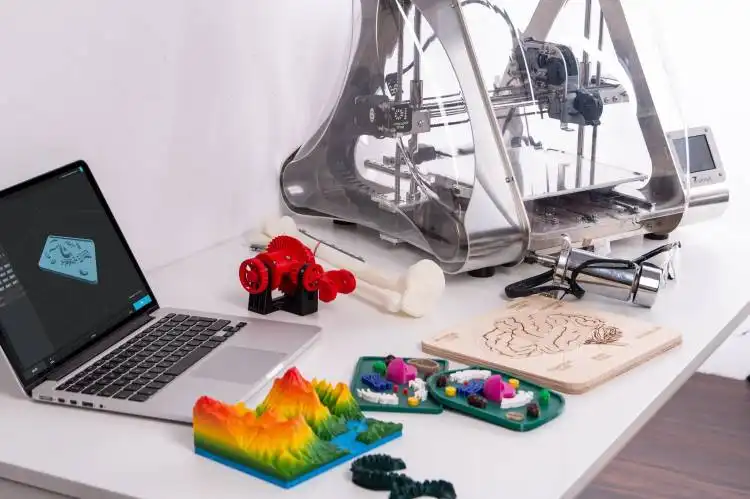
Design & Creative Enterprises
3D Printing Design
Are you interested in starting a 3D printing design business? Learn the basics of 3D printing, the equipment and software you need, and how to market your business for success.
- Setup load
- Moderate
- First sale
- Moderate
- Solo fit
- Solo-friendly
- Rules & risk
- Some checks
Solo-firstProduct or custom order→

Arts & Crafts
Adult Coloring Book Company
Learn how to start an adult coloring book company. Get tips on creating a business plan, marketing plan, and financial plan. Plus, find creative ideas to make your business stand out.
- Setup load
- Moderate
- First sale
- Moderate
- Solo fit
- Solo-friendly
- Rules & risk
- Some checks
Solo-firstProduct or custom order→

Arts & Crafts
Aerial Arts Studio
Learn how to start an aerial arts studio. Get tips on designing, setting up, and running a well-run aerial arts business. Get started today!
- Setup load
- Moderate
- First sale
- Moderate
- Solo fit
- Solo-friendly
- Rules & risk
- Some checks
Solo-firstProduct or custom order→