- You can make consistently and price labor honestly
- You enjoy product improvement and quality control
- You can test a narrow line before buying production capacity
Health & Beauty Innovations · Product and maker business
Start a Bath Product Business
Starting a bath product business can be a great way to make money. Learn how to start a bath product business with these tips, ideas, and business plans.

Typical planning profile
Compare the operating shape.
Model-based 1–5 starting estimates, not individually researched ratings or local cost, demand, and income predictions. How the scale works →
- Setup load
- 3/5ModerateRelative need for space, equipment, inventory, and working cash.
- First-sale speed
- 3/5ModerateRelative speed of reaching a credible paid test—not a promise of revenue.
- Solo fit
- 4/5Solo-friendlyHow naturally the model can begin with one owner before adding help.
- Rules and risk
- 2/5Some checksRelative need to verify licenses, safety, privacy, zoning, or insurance.
- AI leverage
- 3/5MeaningfulWhere AI can reduce administrative or production work while the owner remains accountable.
The honest take
Could this fit how you want to work?
Bath Product is typically a product and maker business model. A small batch or preorder can reveal whether customers value the product enough to cover materials, production time, defects, and selling costs.
- Owner labor is treated as free
- Too many custom options prevent repeatability
- Wholesale, shipping, defects, and returns erase the margin
How the business works
Customer, offer,
and operating model.
Use this as a starting hypothesis. The version that works depends on the customer, location, price, and delivery choices you make.
Who pays?
buyers who value the product’s function, design, customization, provenance, or convenience.
What do they buy?
a repeatable product line or clearly priced custom item.
How money arrives
Product or custom order. The exact pricing unit should match how the customer experiences value.
How it starts
Solo-first, usually in a workshop, studio, or small production space setting. Add people only when demand and the work are clear.
Two ways to use this idea
Starting from zero—or adding a new line.
The same idea creates different risks for a first-time founder and an established operator.
- 01
Define one buyer and the smallest version of a repeatable product line or clearly priced custom item.
- 02
Talk with at least ten relevant buyers who value the product’s function, design, customization, provenance, or convenience before building the mature version.
- 03
Ask for a paid pilot, deposit, preorder, booking, or another commitment that tests behavior rather than enthusiasm.
- 01
Offer bath product first to customers who already trust the business.
- 02
Reuse existing staff, systems, space, suppliers, and customer knowledge only where they truly reduce cost or risk.
- 03
Track whether the new offer improves contribution and retention without creating hidden complexity in the core business.
Read the restored original guide
Restored original guide
Keep the useful detail. Recheck what can change.
The original Business.How guide for bath product has been retained as a practical planning reference.
Step 1: Determine if a Bath Product Business is the Right Endeavor
Breakdown of Startup Expenses
Starting a bath product business requires a substantial investment of both time and money. It is important to understand the startup costs associated with the business, including the cost of supplies, equipment, and marketing materials. Additionally, the cost of renting a space or building a facility should be taken into consideration. Depending on the type of products being sold, other costs may include the cost of packaging, labeling, and shipping. It is also important to factor in the cost of any licenses or permits required to operate the business.
Breakdown of Ongoing Expenses
Once the business is up and running, there are ongoing expenses that must be taken into account. These expenses include the cost of supplies and materials, as well as the cost of marketing and advertising. Additionally, the cost of labor and employee benefits should be taken into consideration. Depending on the size of the business, other costs may include the cost of insurance, taxes, and utilities.
Examples of Ways to Make Money
There are a variety of ways to make money in the bath product business. Selling products directly to customers is the most common way to make money. Additionally, products can be sold through retailers, wholesalers, and online stores. Other ways to make money include offering services such as product customization, product demonstrations, and product consultations. Additionally, offering classes and workshops related to bath products can be a great way to generate additional income.
Step 2: Name the Business
Naming a business is an important step in the process of starting a bath product business. It is important to choose a name that is memorable, unique, and relevant to the business. It is also important to make sure the name is not already taken by another business. To come up with a great name, consider the type of products the business will be selling, the target audience, and the overall mission of the business. Brainstorming is a great way to come up with ideas and it can be helpful to ask friends and family for their input. Additionally, there are online resources that can help generate ideas and check to make sure the name is available. Once the perfect name is chosen, it is important to register it with the local government and trademark it to protect it from being used by other businesses.
Step 3: Research the Market
Analyze the Competition
Before launching a bath product business, it is important to research the competition. This means looking at what other bath product businesses are offering and how they are pricing their products. It is also important to look at the quality of the products they are offering and how they are marketing them. This will help you determine what you can do differently to make your business stand out.
Identify Your Target Market
Once you have identified the competition, it is important to identify your target market. This means researching who your ideal customer is and what type of bath products they are looking for. You should also consider the demographics of your target market, such as age, gender, and income level. This will help you determine the type of products you should offer and how you should market them. Additionally, you should research the trends in the bath product industry to ensure you are offering products that are in demand.
Step 4: Create a Business Plan
Outline Your Business Goals
When creating a business plan, it is important to outline your business goals. This will help you to determine the direction you want to take your business and how you will achieve success. Consider the type of products you want to offer, the target market, the pricing structure, and any other factors that will help you reach your goals.
Set a Budget
Once you have outlined your goals, it is important to set a budget for your business. This will help you to determine the amount of money you need to start and operate your business. Consider the cost of materials, the cost of advertising, and the cost of any other expenses that you may incur. Make sure to include a contingency fund in your budget in case of unexpected expenses. Additionally, consider the cost of any licenses or permits that you may need in order to legally operate your business.
Step 5: Obtain Funding
Consider Small Business Loans
Starting a business can be expensive, and small business loans can be a great way to finance the endeavor. Before applying for a loan, it’s important to research the different types of loans available and determine which one is best for the business. Consider the interest rate, repayment terms, and the amount of money needed. Additionally, it’s important to understand the requirements for the loan, such as credit score, collateral, and other documentation.
Utilize Crowdfunding
Crowdfunding is a great way to finance a business. It allows entrepreneurs to raise money from a large pool of people, usually through an online platform. When setting up a crowdfunding campaign, it’s important to create a compelling story and set a realistic goal. Additionally, it’s important to have a plan for how the money will be used and how the donors will be rewarded. Lastly, it’s important to promote the campaign through social media and other channels to ensure it reaches its goal.
Step 6: Secure Licenses and Permits
Research Local Regulations
Before starting a bath product business, it is important to research the local regulations and laws that apply to the business. These regulations can vary from state to state, and even from city to city. It is important to understand the regulations and laws that apply to the business to ensure that the business is operating legally.
Obtain Necessary Licenses and Permits
Once the local regulations and laws have been researched, the next step is to obtain the necessary licenses and permits. Depending on the type of business, this may include a business license, a sales tax permit, a zoning permit, and other permits. It is important to obtain all of the necessary licenses and permits before starting the business to ensure that the business is operating legally. Additionally, some permits may require a fee, so it is important to factor in these costs when budgeting for the business.
Step 7: Source Suppliers
Before you can start selling your bath products, you need to find reliable suppliers who can provide you with the materials and ingredients you need. To identify quality suppliers, you should research the market, ask for referrals from other business owners, and read customer reviews. Once you have identified a few potential suppliers, you should negotiate prices with them. Make sure to ask for discounts and bulk pricing, as this can help you save money. Additionally, you should ask for samples of their products so you can test them out before making a purchase. You should also inquire about their delivery times and return policies. By doing your due diligence, you can ensure that you are getting the best deals and quality products from your suppliers.
Step 8: Develop a Marketing Plan
Utilizing Social Media
Social media is a great way to reach potential customers and build a following. It is important to create a presence on multiple social media platforms, such as Facebook, Twitter, and Instagram. This will allow you to post updates about your business, share photos, and interact with customers. Additionally, you can use social media to run promotions and contests to draw in more customers.
Create a Website
A website is a great way to showcase your products and services. It can also be used to provide information about your business, such as contact information, hours of operation, and pricing. Additionally, a website can be used to accept online orders and payments. It is important to make sure the website is easy to navigate and includes all the necessary information. Additionally, it is important to make sure the website is optimized for mobile devices, as many customers will be accessing it from their phones or tablets.
Step 9: Launch Your Business
Step 9: Launch Your Business - Now that you have all the necessary steps to start your bath product business, it is time to launch it. The first step is to advertise your products. This can be done through a variety of methods, such as creating a website, using social media, or even attending trade shows. You should also consider using traditional methods such as print ads, radio ads, and television commercials. Additionally, you can use word of mouth to get the word out about your business.
Once you have advertised your products, you should then monitor your progress. This can be done by tracking sales, customer feedback, and website traffic. You should also keep an eye on your competitors to see what they are doing and how they are doing it. This will help you stay ahead of the competition and make sure you are providing the best products and services. Additionally, you should use analytics to track your progress and make sure you are meeting your goals. Finally, you should review your business plan regularly to ensure you are on track and making progress.
EXPLORE MORE CATEGORIES
Browse ALL Business Idea Categories
Requirements to verify
Rules depend on the exact location and offer.
- Check labeling, product-safety, and warranty rules
- Protect designs and use supplier documentation
- Confirm product liability and workspace requirements
Practical AI leverage · 3/5
Use AI around the work—not instead of accountability.
- Product research and operating documentation
- Listings, customer communication, and planning
- Production analysis and quality checklists
A practical first month
Move from curiosity
to useful evidence.
Keep the test smaller than the mature business. The goal is to discover what must be true before committing heavily.
- Week 1
Name the buyer and trigger. Describe which buyers who value the product’s function, design, customization, provenance, or convenience buy, what changes, and why they act now.
- Week 2
Map current alternatives. Review providers, substitutes, prices, delays, and the cost of doing nothing.
- Week 3
Price the smallest offer. Specify a narrow version of a repeatable product line or clearly priced custom item, including scope, direct costs, owner time, and exclusions.
- Week 4
Ask for commitment. Run direct outreach and seek a paid pilot, booking, deposit, preorder, or signed proposal.
Compare nearby models
Do not fall in love
with the first version.
Design & Creative Enterprises
3D Printing Design
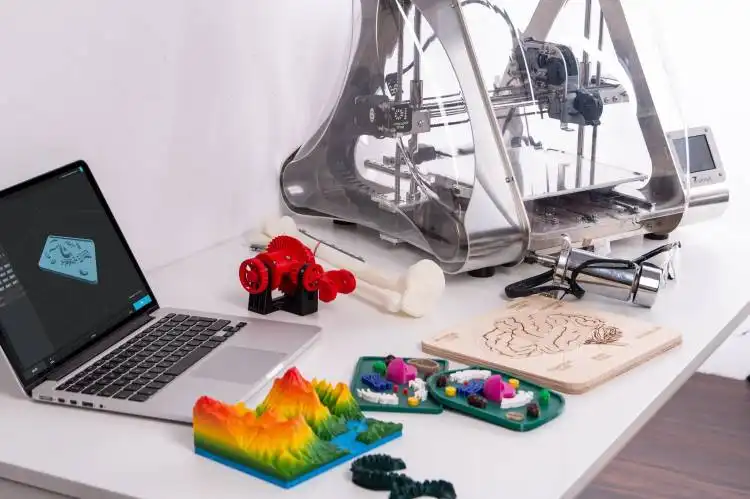
Are you interested in starting a 3D printing design business? Learn the basics of 3D printing, the equipment and software you need, and how to market your business for success.
- Setup load
- Moderate
- First sale
- Moderate
- Solo fit
- Solo-friendly
- Rules & risk
- Some checks
Solo-firstProduct or custom order→

Arts & Crafts
Adult Coloring Book Company
Learn how to start an adult coloring book company. Get tips on creating a business plan, marketing plan, and financial plan. Plus, find creative ideas to make your business stand out.
- Setup load
- Moderate
- First sale
- Moderate
- Solo fit
- Solo-friendly
- Rules & risk
- Some checks
Solo-firstProduct or custom order→

Arts & Crafts
Aerial Arts Studio
Learn how to start an aerial arts studio. Get tips on designing, setting up, and running a well-run aerial arts business. Get started today!
- Setup load
- Moderate
- First sale
- Moderate
- Solo fit
- Solo-friendly
- Rules & risk
- Some checks
Solo-firstProduct or custom order→