- 01
Secure one paid booking with a clear service scope through a permitted setup. Rehearse the complete service process and confirm the venue's power, water, access, and queue space. After the booking, calculate revenue minus ingredients, consumables, payment fees, venue charges, transport, and all labor from loading through cleanup. Then seek another booking at a price that covers the actual work. One event proves that one buyer paid; repeat bookings provide stronger evidence of a durable offer.
- 02
Choose one buyer type, write the offer and service limit, get a venue or organizer's requirements, ask the local authority what approval path applies, request rental or equipment quotes, and price the whole job. An inquiry list is useful; a paid, permitted booking tests willingness to buy.
- 03
Carry the cart model into the planner with the intended venue type, event or drink pricing, expected trading dates, setup time, and open permission questions.
Food and beverage operation
Start Mobile Coffee Cart
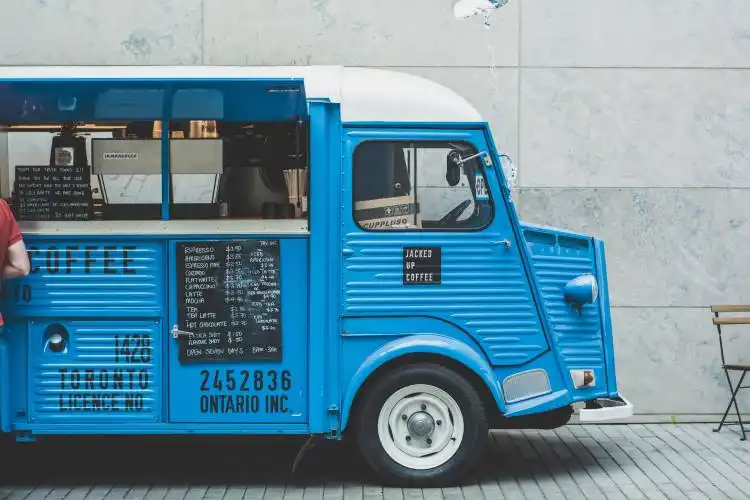
A mobile coffee cart sells access to the right place and time. Your first decision is whether a host buys a service package or individual customers buy drinks. Those models have different sales effort, prices, and cancellation risks.
Idea-specific decision notes
What makes this model work—or not.
A mobile coffee cart sells access to the right place and time. Your first decision is whether a host buys a service package or individual customers buy drinks. Those models have different sales effort, prices, and cancellation risks.
Sources checked September 7, 2026- Is a host buying an event package, or are individual customers buying drinks?
- Are power, water, milk storage, travel, setup and cleanup covered?
- What happens to monthly cash if trading dates are canceled?
A paid permitted booking, all-in delivery costs, and a second booking at a price that covers the actual work.
Typical planning profile
Compare the operating shape.
Model-based 1–5 starting estimates, not individually researched ratings or local cost, demand, and income predictions. How the scale works →
- Setup load
- 4/5SubstantialRelative need for space, equipment, inventory, and working cash.
- First-sale speed
- 2/5SlowerRelative speed of reaching a credible paid test—not a promise of revenue.
- Solo fit
- 2/5Team-ledHow naturally the model can begin with one owner before adding help.
- Rules and risk
- 5/5HeavyRelative need to verify licenses, safety, privacy, zoning, or insurance.
- AI leverage
- 3/5MeaningfulWhere AI can reduce administrative or production work while the owner remains accountable.
The honest take
Could this fit how you want to work?
Mobile Coffee Cart is typically a food and beverage operation model. Demand can be visible, but labor, waste, throughput, rent, and food-safety execution make the economics unforgiving. A small-format test is usually wiser than a full opening.
- You can protect quality while watching cost and speed
- You enjoy high-frequency operations and customer service
- You can test a focused menu or format before expanding
- The plan assumes sales without measuring labor and waste
- A long lease or large build-out comes before demand evidence
- Permits, commissary, staffing, or food-safety work are being minimized
How the business works
Customer, offer,
and operating model.
Use this as a starting hypothesis. The version that works depends on the customer, location, price, and delivery choices you make.
Who pays?
local consumers or organizations buying food, drink, convenience, or an experience.
What do they buy?
a focused menu or product delivered with consistent quality and service.
How money arrives
Transaction and repeat purchase. The exact pricing unit should match how the customer experiences value.
How it starts
Staffed operation, usually in a licensed kitchen, mobile, or storefront setting. Add people only when demand and the work are clear.
Two ways to use this idea
Starting from zero—or adding a new line.
The same idea creates different risks for a first-time founder and an established operator.
- 01
Define one buyer and the smallest version of a focused menu or product delivered with consistent quality and service.
- 02
Talk with at least ten relevant local consumers or organizations buying food, drink, convenience, or an experience before building the mature version.
- 03
Ask for a paid pilot, deposit, preorder, booking, or another commitment that tests behavior rather than enthusiasm.
- 01
Offer mobile coffee cart first to customers who already trust the business.
- 02
Reuse existing staff, systems, space, suppliers, and customer knowledge only where they truly reduce cost or risk.
- 03
Track whether the new offer improves contribution and retention without creating hidden complexity in the core business.
A practical operating guide
Work through the decisions.
Who this fits
An operator who enjoys serving in person and can manage transport, setup, venue relationships, and a changing schedule. A cart is mobile equipment, not permission to sell wherever people gather.
Pick a sales model
For prepaid private events, define the service window, included drinks, guest limit, extra-drink price, access requirements, and cancellation terms. For walk-up trading, test a specific recurring location and opening period; calculate the effect of its pitch fee or revenue share. Keep separate calculations for the two models.
Assumptions to challenge
Will the circuit support the actual equipment load? How will fresh water, handwashing, wastewater, and milk storage work? Where is the cart stored and serviced between events? What changes if weather cancels a market or the venue cannot provide power? How many usable dates can you sell, and how long does travel make each job? Ask the relevant authority before buying or modifying a cart.
Track the real unit
For hosted service, use contribution per event and total hours per event. For walk-up service, use contribution per drink plus contribution per trading day. Count quiet or canceled dates in your monthly cash plan. Do not multiply a best festival day by thirty.
An illustrative monthly operating model
Every input below is invented to teach the calculation in USD. These are not market prices, earnings estimates, or expected results. Fixed costs include scheduled staffing and an owner-labor provision at the modeled activity. Replace every input with quotes and measured data.
| Assumption or calculation | Illustrative amount |
|---|---|
| Price per average drink | $5.50 |
| Variable cost per drink | $1.90 |
| Contribution per drink | $3.60 |
| Sales: 80 per day × 12 days | 960 drinks |
| Monthly fixed costs, including labor provision | $3,000 |
| Model operating balance | $456 |
| Break-even at these assumptions | 834 drinks per month |
| Balance at 20% fewer sales | −$235.20 |
The model balance is before startup purchases, debt payments, and taxes. It is not take-home pay or a cash-flow forecast. A quieter period can erase a small surplus. Count each cost once, check delivery capacity, and build a separate schedule for when money arrives and leaves.
Replace the assumptions with your own →Requirements to verify
Rules depend on the exact location and offer.
- Verify health-department, food-handler, and facility rules
- Review labeling, allergen, alcohol, and delivery requirements
- Plan for liability, workers, property, and interruption risk
Practical AI leverage · 3/5
Use AI around the work—not instead of accountability.
- Prep plans, scheduling, and purchasing analysis
- Menu documentation and marketing drafts
- Review analysis and operating checklists
A practical first month
Move from curiosity
to useful evidence.
Keep the test smaller than the mature business. The goal is to discover what must be true before committing heavily.
- Week 1
Name the buyer and trigger. Describe which local consumers or organizations buying food, drink, convenience, or an experience buy, what changes, and why they act now.
- Week 2
Map current alternatives. Review providers, substitutes, prices, delays, and the cost of doing nothing.
- Week 3
Price the smallest offer. Specify a narrow version of a focused menu or product delivered with consistent quality and service, including scope, direct costs, owner time, and exclusions.
- Week 4
Ask for commitment. Run direct outreach and seek a paid pilot, booking, deposit, preorder, or signed proposal.
Compare nearby models
Do not fall in love
with the first version.
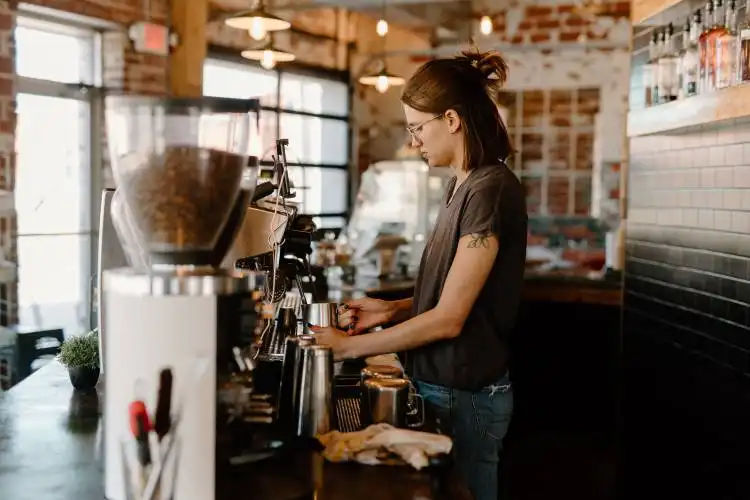
Coffee Shop
Starting a coffee shop can be a daunting task. Learn the basics of how to start a coffee shop, from writing a business plan to selecting coffee shop equipment and ideas.
- Setup load
- Heavy
- First sale
- Long runway
- Solo fit
- Staffed
- Rules & risk
- Heavy
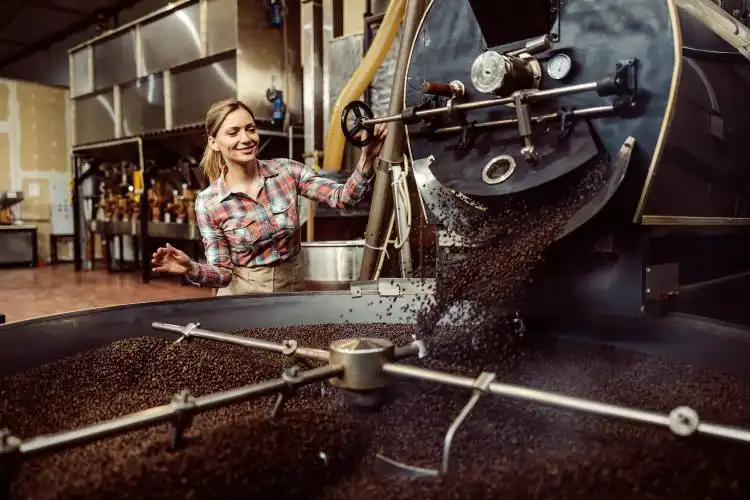
Coffee Roasting
Starting a coffee roasting business can be a business worth evaluating. Learn how to develop a business plan, choose the right equipment, and get tips for success.
- Setup load
- Substantial
- First sale
- Slower
- Solo fit
- Team-led
- Rules & risk
- Heavy