- You enjoy hosting and real-time customer service
- You can manage schedules, capacity, and details
- You can test bookings before committing to a permanent footprint
Hospitality & Leisure Ventures · Experience and hospitality business
Start a Duckpin Bowling Alley
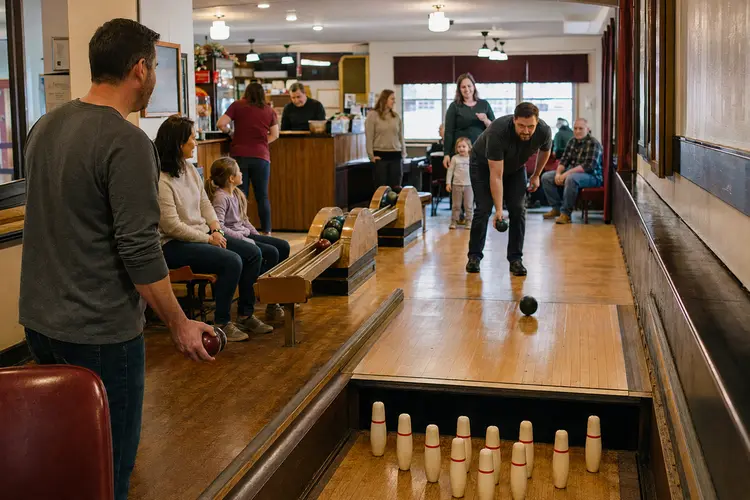
Learn how to start a duckpin bowling alley. Get tips on creating a business plan, choosing the right equipment, and setting up your bowling alley for success.
Typical planning profile
Compare the operating shape.
Model-based 1–5 starting estimates, not individually researched ratings or local cost, demand, and income predictions. How the scale works →
- Setup load
- 5/5HeavyRelative need for space, equipment, inventory, and working cash.
- First-sale speed
- 1/5Long runwayRelative speed of reaching a credible paid test—not a promise of revenue.
- Solo fit
- 1/5StaffedHow naturally the model can begin with one owner before adding help.
- Rules and risk
- 3/5ModerateRelative need to verify licenses, safety, privacy, zoning, or insurance.
- AI leverage
- 3/5MeaningfulWhere AI can reduce administrative or production work while the owner remains accountable.
The honest take
Could this fit how you want to work?
Duckpin Bowling Alley is typically an experience and hospitality business model. The concept may be appealing, but utilization, fixed costs, seasonality, safety, and service quality determine whether the experience works as a business.
- The model depends on full capacity from day one
- Weather, seasonality, cancellations, or safety are ignored
- The experience is interesting but lacks a specific buyer or occasion
How the business works
Customer, offer,
and operating model.
Use this as a starting hypothesis. The version that works depends on the customer, location, price, and delivery choices you make.
Who pays?
people or groups paying for access, entertainment, hospitality, fitness, or a memorable occasion.
What do they buy?
a scheduled experience with a clear audience, promise, capacity, and service standard.
How money arrives
Booking, admission, or membership. The exact pricing unit should match how the customer experiences value.
How it starts
Staffed operation, usually in a venue, destination, or event setting. Add people only when demand and the work are clear.
Two ways to use this idea
Starting from zero—or adding a new line.
The same idea creates different risks for a first-time founder and an established operator.
- 01
Define one buyer and the smallest version of a scheduled experience with a clear audience, promise, capacity, and service standard.
- 02
Talk with at least ten relevant people or groups paying for access, entertainment, hospitality, fitness, or a memorable occasion before building the mature version.
- 03
Ask for a paid pilot, deposit, preorder, booking, or another commitment that tests behavior rather than enthusiasm.
- 01
Offer duckpin bowling alley first to customers who already trust the business.
- 02
Reuse existing staff, systems, space, suppliers, and customer knowledge only where they truly reduce cost or risk.
- 03
Track whether the new offer improves contribution and retention without creating hidden complexity in the core business.
Read the restored original guide
Restored original guide
Keep the useful detail. Recheck what can change.
The original Business.How guide for duckpin bowling alley has been retained as a practical planning reference.
Step 1: Determine if the Business is Right Endeavor
Breakdown of Startup Expenses
Starting a duckpin bowling alley requires a significant investment of capital. It is important to have a clear understanding of the startup costs associated with the business. The most significant costs include the purchase of the bowling alley itself, the cost of any necessary renovations, and the cost of any additional equipment needed. Additionally, there will be costs associated with obtaining the necessary permits and licenses, as well as the cost of insurance. It is also important to factor in the cost of any marketing and advertising efforts.
Breakdown of Ongoing Expenses
Once the business is up and running, there will be ongoing expenses associated with running the duckpin bowling alley. These expenses include rent or mortgage payments, utilities, payroll, and the cost of any supplies needed. Additionally, there will be costs associated with any maintenance and repairs that need to be done. It is also important to factor in the cost of any marketing and advertising efforts.
Examples on Ways to Make Money
There are several ways to make money with a duckpin bowling alley. The most obvious way is to charge customers for bowling games and shoe rentals. Additionally, the business can offer food and beverage services, as well as merchandise sales. It is also possible to host events such as birthday parties and corporate events. Finally, the business can offer additional services such as bowling lessons and leagues.
Step 2: Name the Business
When it comes to naming a business, it is important to choose something that is memorable and reflects the nature of the business. For a duckpin bowling alley, it is important to include the words “duckpin” and “bowling” in the name. This will help customers understand what the business offers and make it easier to find online. It is also important to choose a name that is easy to pronounce and spell. This will help customers remember the name and make it easier to find online. Additionally, it is important to make sure the name is not already being used by another business. This can be done by searching online and checking with the local government to make sure the name is available. Finally, it is important to make sure the name is not too long or complicated. A simple, catchy name is the best way to go.
Step 3: Secure Financing
When it comes to financing a duckpin bowling alley, there are a few options to consider. For starters, you can look into traditional financing options such as loans from banks or other financial institutions. You can also look into government grants or other forms of public funding. Additionally, you can look into private investors or crowdfunding campaigns. Each of these options has its own advantages and disadvantages, so it’s important to do your research to find the best option for you.
Consider a Business Plan
When you’re looking for financing for your duckpin bowling alley, it’s important to have a business plan in place. This plan should include a detailed breakdown of your startup and ongoing expenses, as well as a plan for how you intend to make money. This plan should also include a marketing strategy, a timeline for when you expect to start making a profit, and a plan for how you will manage the business. Having a well thought out business plan will make it easier to secure financing from potential investors or lenders.
Step 4: Find a Location
Finding the right location for a duckpin bowling alley is essential for success. The location should be in an area with a high population density, so that there is a large potential customer base. Additionally, the location should have enough space to accommodate the size of the bowling alley, as well as any additional features that may be included, such as a snack bar or arcade. The location should also be easily accessible, with plenty of parking and good public transportation options. Finally, the location should be in a safe area, with minimal crime and a low risk of vandalism.
Research
Once the ideal location has been identified, it is important to do thorough research on the area. This includes researching the local economy, the demographics of the area, and the competition. It is also important to research the zoning laws in the area, as some locations may not be zoned for a bowling alley. Additionally, research should be done on the local government regulations and taxes, as these can have a major impact on the success of the business.
Negotiations
Once the research is complete, it is time to negotiate with the landlord or property owner. This includes negotiating the terms of the lease, such as the length of the lease, the rent, and any other fees. It is important to be aware of the local market rates for similar properties, so that the best possible deal can be negotiated. Additionally, it is important to make sure that the lease includes provisions for any necessary renovations or improvements that may be needed.
Step 5: Obtain Licenses and Permits
When starting a duckpin bowling alley, it is important to obtain the necessary licenses and permits. Depending on the state, the licenses and permits may vary. Generally, a business license, a liquor license, and a health permit are required. Additionally, a fire safety permit may be necessary. It is important to check with the local government to determine the exact licenses and permits needed.
Applying for Licenses and Permits
Once the necessary licenses and permits have been determined, the next step is to apply for them. This process can take several weeks or months, depending on the state. The application process may involve submitting paperwork, paying fees, and attending hearings. Additionally, the business may need to meet certain requirements in order to be approved.
Cost of Licenses and Permits
The cost of licenses and permits can vary depending on the state and the type of business. Generally, the cost of the licenses and permits can range from a few hundred dollars to several thousand dollars. It is important to factor in the cost of the licenses and permits when creating a budget for the business.
Renewing Licenses and Permits
Once the necessary licenses and permits have been obtained, it is important to keep track of when they need to be renewed. Generally, the licenses and permits must be renewed every year or every few years. It is important to renew the licenses and permits on time in order to avoid any penalties or fines.
Step 6: Purchase Equipment
When starting a duckpin bowling alley, there are several pieces of equipment that must be purchased in order to open the business. The most important pieces of equipment include the bowling lanes, pins, balls, and scoreboards. In addition, other items such as seating, lighting, and a sound system may be necessary depending on the size of the facility. It is important to research the different types of equipment available and compare prices to ensure that the best deal is obtained.
Where to Purchase Equipment
Once the types of equipment needed have been determined, the next step is to find a reliable supplier. There are many companies that specialize in providing bowling equipment and supplies. It is important to research each company and read customer reviews to ensure that the best quality products are purchased. Additionally, it is important to compare prices between different suppliers to ensure that the best deal is obtained.
Installation of Equipment
Once the equipment has been purchased, it is important to hire a professional to install the equipment. This is especially important for the bowling lanes, as they must be installed correctly in order to ensure safety and proper functioning. It is also important to ensure that the installation is done in accordance with local building codes and regulations.
Maintenance of Equipment
Once the equipment has been installed, it is important to ensure that it is properly maintained. This includes regularly inspecting the equipment and making any necessary repairs or replacements. Additionally, it is important to keep the equipment clean and free of debris in order to ensure that it is safe and functioning properly.
Step 7: Hire Employees
When hiring employees for your duckpin bowling alley, it is important to consider the qualifications of each individual. You should look for individuals with experience in the bowling industry, as well as those with customer service skills. Additionally, you should look for individuals who are passionate about the sport and have a strong work ethic. It is also important to consider the local labor market when hiring employees, as this will help you to find the right individuals for the job.
Training Employees
Once you have hired the right employees for your duckpin bowling alley, it is important to provide them with the necessary training. This should include training on the rules and regulations of the bowling alley, as well as training on customer service and safety protocols. Additionally, you should provide employees with training on the proper use of the bowling equipment, as well as the proper maintenance of the equipment. This will ensure that your employees are well-equipped to provide the best possible service to your customers.
Employee Benefits
In addition to providing employees with the necessary training, it is also important to provide them with the necessary benefits. This should include health insurance, vacation time, and other benefits that are customary in the bowling industry. Additionally, you should consider providing employees with bonuses or other incentives to encourage them to stay with the business. This will help to ensure that your employees are motivated and dedicated to providing the best possible service to your customers.
Employee Scheduling
Finally, it is important to create an employee scheduling system that works for both the employees and the business. This should include a system for tracking employee hours, as well as a system for scheduling shifts and vacation time. Additionally, you should consider creating a system for tracking employee performance and providing feedback. This will help to ensure that your employees are working efficiently and providing the best possible service to your customers.
Step 8: Market the Business
The eighth step in starting a duckpin bowling alley is to market the business. There are many ways to market a business, and it is important to find the right approach for the duckpin bowling alley. One way to market the business is through word-of-mouth. This can be done by offering discounts to customers who refer friends and family, or by offering incentives to customers who post about the business on social media. Additionally, it is important to create an online presence for the business. This can be done by creating a website, creating social media accounts, and optimizing the business for search engine results.
Advertising
Another way to market the business is through traditional advertising. This can include television, radio, and print ads. Additionally, it is important to consider local advertising options. This can include sponsoring local events, advertising in local newspapers, and creating flyers or posters to distribute in the area. It is also important to consider advertising in the bowling community. This can include sponsoring bowling tournaments, advertising in bowling magazines, and attending bowling conventions.
Community Involvement
Finally, it is important to get involved in the local community. This can include sponsoring local charities, hosting events at the bowling alley, and offering discounts to local organizations. Additionally, it is important to get involved in the bowling community. This can include sponsoring bowling tournaments, attending bowling conventions, and offering discounts to bowling leagues. By getting involved in the local and bowling communities, the business can build relationships and increase its visibility.
Step 9: Open the Business
- Have a Grand Opening On opening day, it is important to have a grand opening. This can include a ribbon cutting ceremony, a special offer for customers, and a promotional event. It is important to make sure that the grand opening is well-publicized so that people know that the business is open and ready for customers.
- Have a Plan for the Day When opening a business, it is important to have a plan for the day. This includes having staff ready to help customers, having the necessary supplies and equipment, and having a plan for the day's activities. It is important to make sure that the business is ready for customers and that all necessary preparations have been made.
- Have a Positive Attitude When opening a business, it is important to have a positive attitude. This includes being friendly and welcoming to customers, being prepared to answer questions, and being willing to help customers. It is important to make sure that customers feel welcome and that they have a positive experience at the business.
- Have a Backup Plan When opening a business, it is important to have a backup plan. This includes having a plan for what to do in case of an emergency, having a plan for how to handle customer complaints, and having a plan for how to handle unexpected events. It is important to make sure that the business is prepared for any situation and that the staff is trained to handle any situation.
- Have Fun When opening a business, it is important to have fun. This includes having fun with customers, having fun with staff, and having fun with the business. It is important to make sure that the business is enjoyable for everyone and that everyone is having a good time.
EXPLORE MORE CATEGORIES
Browse ALL Business Idea Categories
Requirements to verify
Rules depend on the exact location and offer.
- Check occupancy, event, alcohol, music, and accessibility rules
- Use waivers and emergency procedures where appropriate
- Confirm property, event, liability, and worker coverage
Practical AI leverage · 3/5
Use AI around the work—not instead of accountability.
- Booking communications and run-of-show drafts
- Marketing, review analysis, and staff checklists
- Capacity and schedule planning
A practical first month
Move from curiosity
to useful evidence.
Keep the test smaller than the mature business. The goal is to discover what must be true before committing heavily.
- Week 1
Name the buyer and trigger. Describe which people or groups paying for access, entertainment, hospitality, fitness, or a memorable occasion buy, what changes, and why they act now.
- Week 2
Map current alternatives. Review providers, substitutes, prices, delays, and the cost of doing nothing.
- Week 3
Price the smallest offer. Specify a narrow version of a scheduled experience with a clear audience, promise, capacity, and service standard, including scope, direct costs, owner time, and exclusions.
- Week 4
Ask for commitment. Run direct outreach and seek a paid pilot, booking, deposit, preorder, or signed proposal.
Compare nearby models
Do not fall in love
with the first version.
Hospitality & Leisure Ventures
Airbnb
Learn how to start an Airbnb business with this comprehensive guide. Get tips, strategies, and advice to help you succeed in the Airbnb business.
- Setup load
- Substantial
- First sale
- Slower
- Solo fit
- Team-led
- Rules & risk
- Moderate
Staffed operationBooking, admission, or membership→

Hospitality & Leisure Ventures
Airsoft Field
Learn how to start an airsoft field with this comprehensive guide. Get tips and advice on equipment, setup, and running a well-run business.
- Setup load
- Substantial
- First sale
- Slower
- Solo fit
- Team-led
- Rules & risk
- Moderate
Staffed operationBooking, admission, or membership→

Hospitality & Leisure Ventures
Amusement Park
Are you looking to start an amusement park? Learn the basics of amusement park planning, design, operations, and financing. Get the information you need to start your amusement park today!
- Setup load
- Substantial
- First sale
- Slower
- Solo fit
- Team-led
- Rules & risk
- Moderate
Staffed operationBooking, admission, or membership→