- You enjoy hosting and real-time customer service
- You can manage schedules, capacity, and details
- You can test bookings before committing to a permanent footprint
Hospitality & Leisure Ventures · Experience and hospitality business
Start a Campground
Learn how to start a campground business. Get tips on campground management, planning, layout, amenities, and regulations. Start your campground today!
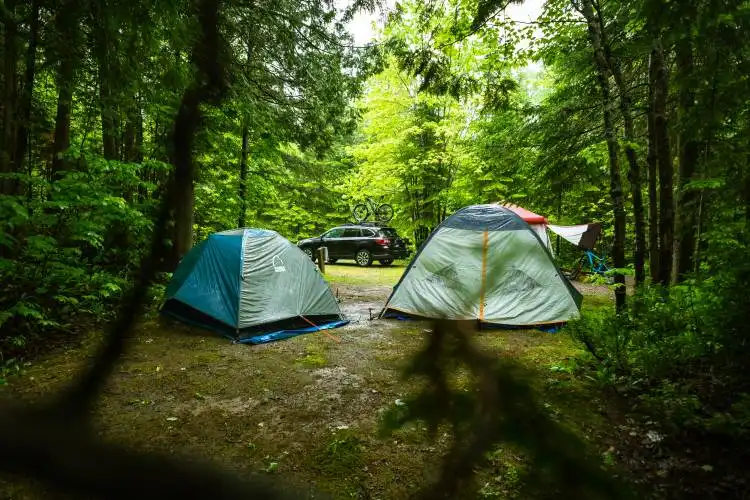
Typical planning profile
Compare the operating shape.
Model-based 1–5 starting estimates, not individually researched ratings or local cost, demand, and income predictions. How the scale works →
- Setup load
- 4/5SubstantialRelative need for space, equipment, inventory, and working cash.
- First-sale speed
- 2/5SlowerRelative speed of reaching a credible paid test—not a promise of revenue.
- Solo fit
- 2/5Team-ledHow naturally the model can begin with one owner before adding help.
- Rules and risk
- 3/5ModerateRelative need to verify licenses, safety, privacy, zoning, or insurance.
- AI leverage
- 3/5MeaningfulWhere AI can reduce administrative or production work while the owner remains accountable.
The honest take
Could this fit how you want to work?
Campground is typically an experience and hospitality business model. The concept may be appealing, but utilization, fixed costs, seasonality, safety, and service quality determine whether the experience works as a business.
- The model depends on full capacity from day one
- Weather, seasonality, cancellations, or safety are ignored
- The experience is interesting but lacks a specific buyer or occasion
How the business works
Customer, offer,
and operating model.
Use this as a starting hypothesis. The version that works depends on the customer, location, price, and delivery choices you make.
Who pays?
people or groups paying for access, entertainment, hospitality, fitness, or a memorable occasion.
What do they buy?
a scheduled experience with a clear audience, promise, capacity, and service standard.
How money arrives
Booking, admission, or membership. The exact pricing unit should match how the customer experiences value.
How it starts
Staffed operation, usually in a venue, destination, or event setting. Add people only when demand and the work are clear.
Two ways to use this idea
Starting from zero—or adding a new line.
The same idea creates different risks for a first-time founder and an established operator.
- 01
Define one buyer and the smallest version of a scheduled experience with a clear audience, promise, capacity, and service standard.
- 02
Talk with at least ten relevant people or groups paying for access, entertainment, hospitality, fitness, or a memorable occasion before building the mature version.
- 03
Ask for a paid pilot, deposit, preorder, booking, or another commitment that tests behavior rather than enthusiasm.
- 01
Offer campground first to customers who already trust the business.
- 02
Reuse existing staff, systems, space, suppliers, and customer knowledge only where they truly reduce cost or risk.
- 03
Track whether the new offer improves contribution and retention without creating hidden complexity in the core business.
Read the restored original guide
Restored original guide
Keep the useful detail. Recheck what can change.
The original Business.How guide for campground has been retained as a practical planning reference.
Step 1: Determine if the Business is Right for You
Before starting a campground business, it is important to determine if it is the right endeavor for you. To do this, you should consider the startup and ongoing expenses associated with running a campground. Startup expenses may include purchasing land, building infrastructure, and obtaining necessary permits and licenses. Ongoing expenses may include payroll, utilities, and maintenance costs. Additionally, you should research potential sources of income, such as camping fees, concession sales, and recreational activities.
Breakdown of Startup Expenses
When starting a campground business, you will need to consider the startup expenses associated with the endeavor. These may include purchasing land, building infrastructure, and obtaining necessary permits and licenses. Additionally, you may need to purchase equipment such as tents, campers, and recreational vehicles. You may also need to hire employees to help with the day-to-day operations of the campground.
Breakdown of Ongoing Expenses
Once you have established your campground business, you will need to consider the ongoing expenses associated with running the business. These may include payroll, utilities, and maintenance costs. Additionally, you may need to purchase supplies such as firewood, food, and other camping essentials. You will also need to factor in the cost of marketing and advertising your campground.
Examples of Ways to Make Money
When running a campground business, you will need to consider potential sources of income. These may include camping fees, concession sales, and recreational activities. Additionally, you may be able to offer special packages or discounts to attract more customers. You may also be able to rent out the campground for special events such as weddings or corporate retreats.
Step 2: Name the Business
When it comes to naming a business, it is important to choose something that is memorable and easy to pronounce. It should also be something that reflects the mission and values of the business. Additionally, it should be something that is not already taken by another business. It is also important to consider the domain name, as this will be the website address for the business. It is best to choose a domain name that is similar to the business name. Additionally, it is important to ensure that the domain name is available and that the cost of registering it is within the budget. Once the name is chosen, it is important to register the business name with the local government and to trademark the name to protect it from being used by another business.
Step 3: Acquire Necessary Licenses and Permits
The third step in starting a campground is to acquire the necessary licenses and permits. Depending on the state, county, and city, there may be different requirements for operating a campground. It is important to research the laws and regulations in your area to ensure that you are in compliance. Additionally, you may need to obtain a business license, zoning permit, and other permits. It is important to contact the local government to determine what is required in order to operate a campground in your area.
You may also need to obtain a special permit to operate a campground in a certain area. For example, if you are operating a campground in a national park, you may need to obtain a special permit from the National Park Service. Additionally, if you are operating a campground on public land, you may need to obtain a permit from the state or county.
Furthermore, you may need to obtain a permit from the local fire department in order to operate a campground. This permit will ensure that your campground meets the necessary safety requirements. Additionally, you may need to obtain a permit from the local health department in order to operate a campground. This permit will ensure that your campground meets the necessary health and sanitation requirements.
Finally, you may need to obtain a permit from the local water department in order to operate a campground. This permit will ensure that your campground meets the necessary water quality requirements. Additionally, you may need to obtain a permit from the local wastewater department in order to operate a campground. This permit will ensure that your campground meets the necessary wastewater requirements.
Step 4: Secure Financing
Securing financing for a campground business is a critical step in the process. It is important to have a clear understanding of the costs associated with starting and running a campground business. It is also important to understand the various financing options available.
One of the most common ways to finance a campground business is through a loan from a bank or other financial institution. It is important to research the various loan options available and to understand the terms and conditions associated with each. Additionally, it is important to understand the interest rates and repayment terms associated with each loan. It is also important to consider other financing options such as grants, crowdfunding, and private investors.
Another option for financing a campground business is to use personal savings or investments. This can be a great way to get started, as it does not require taking on debt. However, it is important to understand the risks associated with using personal savings or investments.
Finally, it is important to consider the tax implications associated with financing a campground business. It is important to understand the various tax deductions and credits available to help offset the costs associated with starting and running a campground business. Additionally, it is important to understand the various tax implications associated with taking out a loan or using personal savings or investments.
Step 5: Find a Location
Finding the right location for a campground is an important step in the process. The location should be easily accessible, have a nearby water source, and have plenty of space for camping. It should also be in an area that is conducive to camping, such as near a lake, river, or mountain. Additionally, the location should have access to amenities such as electricity, running water, and waste disposal. It is also important to consider the local zoning laws and regulations to ensure that the campground is in compliance with all applicable laws. Finally, it is important to consider the local climate and weather patterns to ensure that the campground is suitable for camping year-round.
Step 6: Obtain Necessary Permits
Before opening a campground, it is important to obtain the necessary permits. Depending on the location, this could include permits from the local government, the state, and the federal government. Additionally, there may be permits required from the local fire department, health department, and other agencies. It is important to research all of the necessary permits and ensure that they are obtained before opening the campground. Additionally, it is important to research any local ordinances or regulations that may apply to the campground. Finally, it is important to ensure that the campground is in compliance with all applicable laws and regulations.
Step 6: Design and Build the Campground
Designing and building the campground is a crucial step in starting a campground. It is important to create a plan that meets the needs of the campers and the local regulations. The plan should include the layout of the campground, the number of sites, and the amenities that will be offered. Additionally, it is important to consider the type of terrain and the landscape of the area when designing the campground.
When building the campground, it is important to use quality materials and hire experienced contractors. This will ensure that the campground is safe and durable. It is also important to consider the environmental impact of the campground and to use sustainable materials and practices. Additionally, it is important to consider the local climate and weather patterns when building the campground.
It is also important to consider the cost of building the campground. This includes the cost of materials, labor, and any permits or fees that may be required. Additionally, it is important to consider the cost of any equipment or amenities that will be included in the campground.
Finally, it is important to consider the timeline for building the campground. This includes the timeline for obtaining permits, ordering materials, and completing the construction. Additionally, it is important to consider the timeline for any inspections or certifications that may be required. By taking the time to plan and design the campground, the business will be able to ensure that the campground is safe and enjoyable for campers.
Step 7: Market the Campground
Marketing the campground is essential to ensure that it is successful. There are a variety of ways to market the campground, such as through social media, local newspapers, and radio advertisements. Additionally, creating a website for the campground is a great way to reach potential customers. On the website, include information about the campground, such as its location, amenities, and rates. Additionally, it is important to create a presence on social media platforms such as Facebook, Twitter, and Instagram. Posting photos and videos of the campground can help draw in potential customers. Additionally, offering discounts and promotions can help to attract customers. Finally, creating a loyalty program can help to keep customers coming back.
Step 8: Hire Employees
Hiring employees is an important step in starting a campground. It is important to find employees who are reliable and trustworthy. Before hiring, it is important to create a job description that outlines the duties and responsibilities of the job. It is also important to create a list of qualifications that the employee must meet in order to be hired. This list should include any certifications or licenses that are required for the job. It is also important to create a salary structure that is fair and competitive. This will help attract the best employees. Additionally, it is important to create a system for tracking employee hours and pay. This will help ensure that employees are paid accurately and on time. Finally, it is important to create a system for training new employees and providing ongoing training for current employees. This will help ensure that employees are knowledgeable and up to date on the latest industry trends.
Step 9: Open the Campground
The final step in starting a campground is to open the business. This involves completing all necessary paperwork and permits, hiring staff, and marketing the campground to potential customers. It is important to have a plan in place for how the campground will be managed and operated. This includes setting up a system for handling reservations, collecting fees, and providing customer service. Additionally, it is important to have a plan for maintaining the campground and providing a safe and enjoyable experience for guests. It is also important to have a plan for dealing with any potential issues that may arise, such as noise complaints or vandalism. Finally, it is important to create a website and social media presence to help attract customers and spread the word about the campground.
EXPLORE MORE CATEGORIES
Browse ALL Business Idea Categories
Requirements to verify
Rules depend on the exact location and offer.
- Check occupancy, event, alcohol, music, and accessibility rules
- Use waivers and emergency procedures where appropriate
- Confirm property, event, liability, and worker coverage
Practical AI leverage · 3/5
Use AI around the work—not instead of accountability.
- Booking communications and run-of-show drafts
- Marketing, review analysis, and staff checklists
- Capacity and schedule planning
A practical first month
Move from curiosity
to useful evidence.
Keep the test smaller than the mature business. The goal is to discover what must be true before committing heavily.
- Week 1
Name the buyer and trigger. Describe which people or groups paying for access, entertainment, hospitality, fitness, or a memorable occasion buy, what changes, and why they act now.
- Week 2
Map current alternatives. Review providers, substitutes, prices, delays, and the cost of doing nothing.
- Week 3
Price the smallest offer. Specify a narrow version of a scheduled experience with a clear audience, promise, capacity, and service standard, including scope, direct costs, owner time, and exclusions.
- Week 4
Ask for commitment. Run direct outreach and seek a paid pilot, booking, deposit, preorder, or signed proposal.
Compare nearby models
Do not fall in love
with the first version.
Hospitality & Leisure Ventures
Airbnb
Learn how to start an Airbnb business with this comprehensive guide. Get tips, strategies, and advice to help you succeed in the Airbnb business.
- Setup load
- Substantial
- First sale
- Slower
- Solo fit
- Team-led
- Rules & risk
- Moderate
Staffed operationBooking, admission, or membership→

Hospitality & Leisure Ventures
Airsoft Field
Learn how to start an airsoft field with this comprehensive guide. Get tips and advice on equipment, setup, and running a well-run business.
- Setup load
- Substantial
- First sale
- Slower
- Solo fit
- Team-led
- Rules & risk
- Moderate
Staffed operationBooking, admission, or membership→

Hospitality & Leisure Ventures
Amusement Park
Are you looking to start an amusement park? Learn the basics of amusement park planning, design, operations, and financing. Get the information you need to start your amusement park today!
- Setup load
- Substantial
- First sale
- Slower
- Solo fit
- Team-led
- Rules & risk
- Moderate
Staffed operationBooking, admission, or membership→