- You can make consistently and price labor honestly
- You enjoy product improvement and quality control
- You can test a narrow line before buying production capacity
Product and maker business
Start Photo Restoration
Photo Restoration is a product and maker business idea. Use the planning profile to judge its customer, operating load, and smallest sensible test.

Typical planning profile
Compare the operating shape.
Model-based 1–5 starting estimates, not individually researched ratings or local cost, demand, and income predictions. How the scale works →
- Setup load
- 3/5ModerateRelative need for space, equipment, inventory, and working cash.
- First-sale speed
- 3/5ModerateRelative speed of reaching a credible paid test—not a promise of revenue.
- Solo fit
- 4/5Solo-friendlyHow naturally the model can begin with one owner before adding help.
- Rules and risk
- 2/5Some checksRelative need to verify licenses, safety, privacy, zoning, or insurance.
- AI leverage
- 3/5MeaningfulWhere AI can reduce administrative or production work while the owner remains accountable.
The honest take
Could this fit how you want to work?
Photo Restoration is typically a product and maker business model. A small batch or preorder can reveal whether customers value the product enough to cover materials, production time, defects, and selling costs.
- Owner labor is treated as free
- Too many custom options prevent repeatability
- Wholesale, shipping, defects, and returns erase the margin
How the business works
Customer, offer,
and operating model.
Use this as a starting hypothesis. The version that works depends on the customer, location, price, and delivery choices you make.
Who pays?
buyers who value the product’s function, design, customization, provenance, or convenience.
What do they buy?
a repeatable product line or clearly priced custom item.
How money arrives
Product or custom order. The exact pricing unit should match how the customer experiences value.
How it starts
Solo-first, usually in a workshop, studio, or small production space setting. Add people only when demand and the work are clear.
Two ways to use this idea
Starting from zero—or adding a new line.
The same idea creates different risks for a first-time founder and an established operator.
- 01
Define one buyer and the smallest version of a repeatable product line or clearly priced custom item.
- 02
Talk with at least ten relevant buyers who value the product’s function, design, customization, provenance, or convenience before building the mature version.
- 03
Ask for a paid pilot, deposit, preorder, booking, or another commitment that tests behavior rather than enthusiasm.
- 01
Offer photo restoration first to customers who already trust the business.
- 02
Reuse existing staff, systems, space, suppliers, and customer knowledge only where they truly reduce cost or risk.
- 03
Track whether the new offer improves contribution and retention without creating hidden complexity in the core business.
Requirements to verify
Rules depend on the exact location and offer.
- Check labeling, product-safety, and warranty rules
- Protect designs and use supplier documentation
- Confirm product liability and workspace requirements
Practical AI leverage · 3/5
Use AI around the work—not instead of accountability.
- Product research and operating documentation
- Listings, customer communication, and planning
- Production analysis and quality checklists
A practical first month
Move from curiosity
to useful evidence.
Keep the test smaller than the mature business. The goal is to discover what must be true before committing heavily.
- Week 1
Name the buyer and trigger. Describe which buyers who value the product’s function, design, customization, provenance, or convenience buy, what changes, and why they act now.
- Week 2
Map current alternatives. Review providers, substitutes, prices, delays, and the cost of doing nothing.
- Week 3
Price the smallest offer. Specify a narrow version of a repeatable product line or clearly priced custom item, including scope, direct costs, owner time, and exclusions.
- Week 4
Ask for commitment. Run direct outreach and seek a paid pilot, booking, deposit, preorder, or signed proposal.
Compare nearby models
Do not fall in love
with the first version.
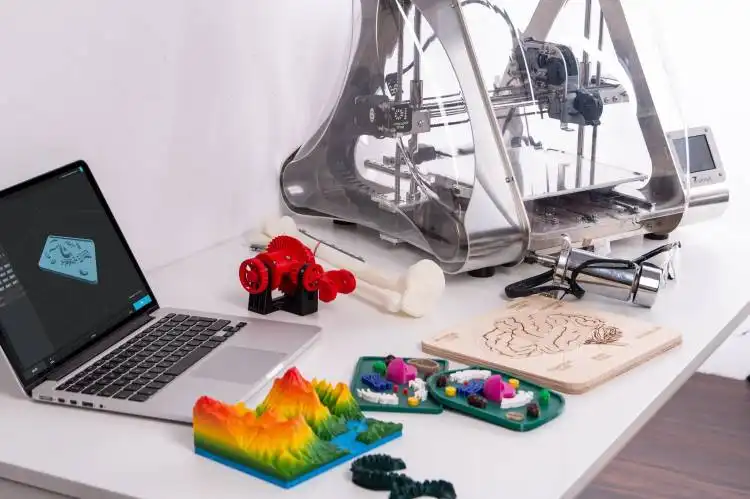
Design & Creative Enterprises
3D Printing Design
Are you interested in starting a 3D printing design business? Learn the basics of 3D printing, the equipment and software you need, and how to market your business for success.
- Setup load
- Moderate
- First sale
- Moderate
- Solo fit
- Solo-friendly
- Rules & risk
- Some checks
Solo-firstProduct or custom order→
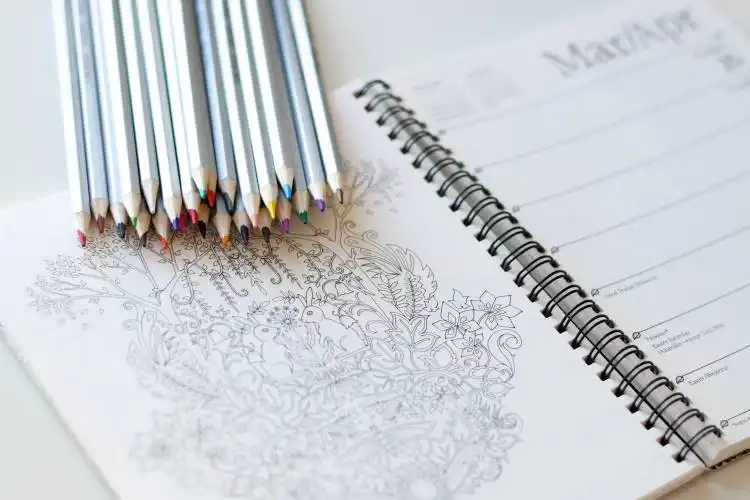
Arts & Crafts
Adult Coloring Book Company
Learn how to start an adult coloring book company. Get tips on creating a business plan, marketing plan, and financial plan. Plus, find creative ideas to make your business stand out.
- Setup load
- Moderate
- First sale
- Moderate
- Solo fit
- Solo-friendly
- Rules & risk
- Some checks
Solo-firstProduct or custom order→

Arts & Crafts
Aerial Arts Studio
Learn how to start an aerial arts studio. Get tips on designing, setting up, and running a well-run aerial arts business. Get started today!
- Setup load
- Moderate
- First sale
- Moderate
- Solo fit
- Solo-friendly
- Rules & risk
- Some checks
Solo-firstProduct or custom order→