- You like practical work and visible results
- You can earn trust in a local market
- You are willing to manage scheduling, travel, and customer communication
Internet & Technology Startups · Local service
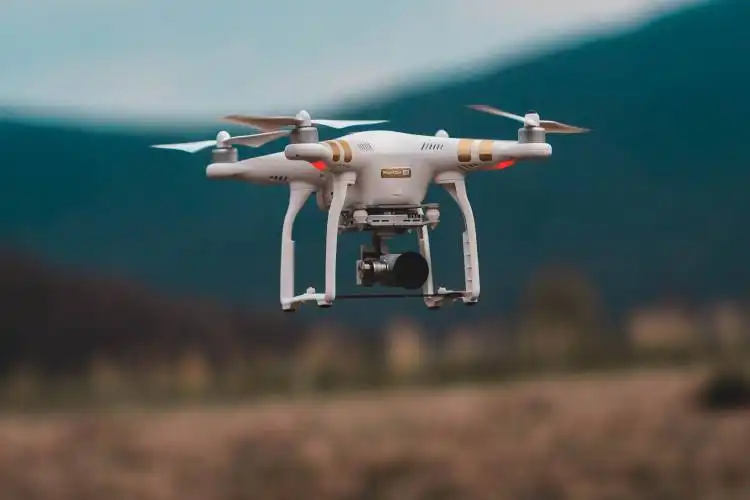
Start a Drone Security Company
Learn how to start a well-run drone security company. Get tips on setting up a drone security business, providing drone security services, and finding the right drone security solutions for your industry.
Typical planning profile
Compare the operating shape.
Model-based 1–5 starting estimates, not individually researched ratings or local cost, demand, and income predictions. How the scale works →
- Setup load
- 2/5LighterRelative need for space, equipment, inventory, and working cash.
- First-sale speed
- 5/5Very fastRelative speed of reaching a credible paid test—not a promise of revenue.
- Solo fit
- 4/5Solo-friendlyHow naturally the model can begin with one owner before adding help.
- Rules and risk
- 4/5SignificantRelative need to verify licenses, safety, privacy, zoning, or insurance.
- AI leverage
- 3/5MeaningfulWhere AI can reduce administrative or production work while the owner remains accountable.
The honest take
Could this fit how you want to work?
Drone Security Company is typically a local service model. The path to a first customer can be short. Route density, reliability, reviews, and disciplined job pricing determine whether the business becomes healthy.
- Travel time would overwhelm billable time
- The work requires training, licensing, or insurance you have not priced
- You are relying on low prices instead of a clear service promise
How the business works
Customer, offer,
and operating model.
Use this as a starting hypothesis. The version that works depends on the customer, location, price, and delivery choices you make.
Who pays?
local households or businesses with an immediate, visible job to be done.
What do they buy?
a dependable result delivered at the customer’s location.
How money arrives
Job or repeat service. The exact pricing unit should match how the customer experiences value.
How it starts
Solo-first, usually in a customer location setting. Add people only when demand and the work are clear.
Two ways to use this idea
Starting from zero—or adding a new line.
The same idea creates different risks for a first-time founder and an established operator.
- 01
Define one buyer and the smallest version of a dependable result delivered at the customer’s location.
- 02
Talk with at least ten relevant local households or businesses with an immediate, visible job to be done before building the mature version.
- 03
Ask for a paid pilot, deposit, preorder, booking, or another commitment that tests behavior rather than enthusiasm.
- 01
Offer drone security company first to customers who already trust the business.
- 02
Reuse existing staff, systems, space, suppliers, and customer knowledge only where they truly reduce cost or risk.
- 03
Track whether the new offer improves contribution and retention without creating hidden complexity in the core business.
Read the restored original guide
Restored original guide
Keep the useful detail. Recheck what can change.
The original Business.How guide for drone security company has been retained as a practical planning reference.
Step 1: Determine if Starting a Drone Security Company is Right for You
Startup Expenses
Starting a drone security company requires a significant investment of capital. This includes costs for the drones, software, licenses, and any other equipment needed. It is important to research the market and determine what the competition is charging for similar services. This will help you determine the appropriate pricing for your services. Additionally, you will need to consider the cost of marketing, advertising, and any other fees associated with setting up a business.
Ongoing Expenses
Once the business is up and running, there are ongoing expenses to consider. These include the cost of maintaining the drones and software, as well as any other equipment needed to keep the business running. Additionally, you will need to consider the cost of labor, insurance, and any other fees associated with running a business.
Examples of Ways to Make Money
There are many ways to make money with a drone security company. One way is to offer services such as surveillance, security patrols, and asset protection. Additionally, you can offer services such as aerial photography, mapping, and data collection. You can also offer services such as search and rescue, emergency response, and disaster relief. Finally, you can offer consulting services to other businesses that need assistance with drone security.
Step 2: Name Your Drone Security Company
- Consider the company’s purpose and mission.
When choosing a name for your drone security company, it is important to consider the company’s purpose and mission. Think about the services you will provide and the type of customers you will be targeting. This will help you come up with a name that reflects your company’s mission and values. Additionally, you should consider the type of message you want to convey to potential customers. For example, if you want to emphasize the security aspect of your business, you may want to include words like “protection” or “security” in your company name.
- Make sure the name is available.
Once you have come up with a few potential names for your drone security company, you will need to make sure the name is available. Check with your local business registrar to make sure the name is not already taken. You will also need to make sure the domain name is available so you can create a website for your business. Additionally, you should check to make sure the name is not already trademarked by another company.
- Consider the length of the name.
When choosing a name for your drone security company, it is important to consider the length of the name. Try to keep the name as short as possible so it is easy to remember and pronounce. Additionally, you should make sure the name is not too similar to another company’s name. This will help you avoid any potential legal issues.
- Brainstorm with friends and family.
If you are having trouble coming up with a name for your drone security company, consider brainstorming with friends and family. Ask them for their input and feedback on potential names. This can help you come up with a name that is creative and unique. Additionally, it can help you narrow down your options and make a final decision.
Step 3: Create a Business Plan
Outline Your Goals
Before creating a business plan, it is important to outline your goals for the business. What do you hope to achieve in the short-term and long-term? Are you looking to make a profit in the first year, or are you more focused on building a customer base? Additionally, consider what kind of growth you are looking for and how you plan to achieve it. It is important to be realistic and set achievable goals.
Analyze Your Market
It is important to understand the drone security market before launching your business. Research the competition and analyze the current trends in the industry. What services are they offering? What are their prices? What are their customer reviews like? Additionally, consider the potential customer base for your services. Who is most likely to need your services and what do they need?
Establish Your Budget
Once you have outlined your goals and analyzed the market, you can begin to establish your budget. This includes both your startup costs and your ongoing expenses. Consider the cost of equipment, insurance, and any other necessary materials. Additionally, consider the cost of marketing, advertising, and any other necessary services. It is important to be realistic when creating your budget and to ensure that you have enough funds to cover all of your expenses.
Step 4: Register Your Business
Choose a Business Structure
The first step to registering your business is to choose a business structure. The most common types of business structures are sole proprietorships, partnerships, limited liability companies (LLCs), and corporations. Each structure has its own advantages and disadvantages, so it is important to research each one and decide which is best for your business. Additionally, you will need to register your business with the state and obtain a business license.
Obtain Licenses and Permits
Depending on the type of business you are running, you may need to obtain additional licenses and permits. For example, if you are providing security services, you may need to obtain a security guard license. Additionally, if you are operating a drone business, you may need to obtain a drone operator license. It is important to research the licenses and permits required for your business and make sure you are in compliance with all applicable laws. Additionally, you may need to obtain insurance to protect your business from potential liabilities.
Step 5: Secure Financing
Consider Small Business Loans
Small business loans are a great way to finance a startup business. They can provide the capital needed to purchase equipment, hire employees, and cover other startup costs. It is important to research the various loan options available and compare interest rates and repayment terms. Additionally, it is important to understand the requirements for loan approval, such as credit score, collateral, and business plan.
Utilize Crowdfunding
Crowdfunding is another option for financing a startup business. It involves raising money from a large group of people, typically through an online platform. This can be a great way to raise the funds needed to launch a business without having to take out a loan. It is important to research the different crowdfunding platforms available and understand the fees associated with each one. Additionally, it is important to create a compelling campaign that will attract potential investors.
Step 6: Purchase Equipment
Research Drone Security Technology
When it comes to purchasing the necessary equipment for a drone security company, it is important to research the various types of drone security technology that are available. This will allow you to determine which type of technology is best suited for your particular business. Additionally, it is important to consider the cost of the technology and how it will fit into your budget. Make sure to research the latest advancements in drone security technology and compare the features and prices of different models.
Consider Insurance
When starting a drone security company, it is important to consider insurance. This will help to protect your business from potential liabilities and losses. Make sure to research the different types of insurance that are available and determine which type of coverage is best suited for your business. Additionally, it is important to consider the cost of the insurance and how it will fit into your budget. Make sure to get quotes from several different insurance companies and compare the coverage and prices.
Step 7: Market Your Drone Security Company
Develop a Website
Creating a website for your drone security company is a great way to get the word out about your business. You can use a website to showcase your services, feature customer testimonials, and even offer discounts. Additionally, you can use the website to provide detailed information about your services, such as pricing and availability. You can also use the website to provide tutorials and other helpful resources for customers.
Utilize Social Media
Social media is a great way to reach a wide audience and to promote your drone security company. You can use social media to post updates about your services, share customer reviews, and even offer discounts. Additionally, you can use social media to engage with potential customers and answer any questions they may have. You can also use social media to create relationships with other businesses in the drone security industry, which can help you to gain more customers.
Step 8: Hire Employees
Consider Freelancers
Freelancers can be a great way to get the help you need without having to commit to a full-time employee. Freelancers are often more experienced and can be hired on a project-by-project basis. When considering freelancers, it’s important to look for those who have experience in the drone security industry and who have a portfolio of work to show for it. Additionally, it’s important to ensure that any freelancers you hire are properly insured and have the necessary licenses to operate in your area.
Utilize Job Boards
Job boards are a great way to find qualified candidates for your drone security business. You can post job openings on popular job boards such as Indeed, Monster, and Glassdoor. When posting job openings, be sure to include a detailed description of the position, the qualifications you’re looking for, and the salary range. Additionally, you can use job boards to search for qualified candidates who may be a good fit for your business.
Step 9: Monitor Your Business
Step 9: Monitor Your Business - After you have started your drone security company, it is important to keep track of your finances and progress. Tracking your finances will help you to stay on top of your expenses and profits, and ensure that you are not spending more than you are making. You should also keep track of your progress to make sure that your business is running smoothly and that you are meeting your goals.
EXPLORE MORE CATEGORIES
Browse ALL Business Idea Categories
Requirements to verify
Rules depend on the exact location and offer.
- Check local licenses, permits, and disposal rules
- Confirm vehicle, liability, and worker coverage
- Document safety practices and customer approvals
Practical AI leverage · 3/5
Use AI around the work—not instead of accountability.
- Quotes, scheduling, and route preparation
- Customer reminders and follow-up
- Job checklists, photos, and bookkeeping support
A practical first month
Move from curiosity
to useful evidence.
Keep the test smaller than the mature business. The goal is to discover what must be true before committing heavily.
- Week 1
Name the buyer and trigger. Describe which local households or businesses with an immediate, visible job to be done buy, what changes, and why they act now.
- Week 2
Map current alternatives. Review providers, substitutes, prices, delays, and the cost of doing nothing.
- Week 3
Price the smallest offer. Specify a narrow version of a dependable result delivered at the customer’s location, including scope, direct costs, owner time, and exclusions.
- Week 4
Ask for commitment. Run direct outreach and seek a paid pilot, booking, deposit, preorder, or signed proposal.
Compare nearby models
Do not fall in love
with the first version.

Cleaning & Maintenance Services
Air Duct Cleaning
Are you interested in starting an air duct cleaning business? Learn the steps to start an air duct cleaning business, including business planning, advice, and resources to get you started.
- Setup load
- Lighter
- First sale
- Very fast
- Solo fit
- Solo-friendly
- Rules & risk
- Some checks
Solo-firstJob or repeat service→

Pets & Animals
Animal Rescue
Learn how to start an animal rescue business. Get tips and advice on setting up an animal rescue, creating a business plan, and more.
- Setup load
- Lighter
- First sale
- Very fast
- Solo fit
- Solo-friendly
- Rules & risk
- Some checks
Solo-firstJob or repeat service→

Cleaning & Maintenance Services
Aquarium Maintenance
Learn how to start an aquarium maintenance business. Get tips and advice on creating a business plan, marketing strategies, and more.
- Setup load
- Lighter
- First sale
- Very fast
- Solo fit
- Solo-friendly
- Rules & risk
- Some checks
Solo-firstJob or repeat service→