- You can make consistently and price labor honestly
- You enjoy product improvement and quality control
- You can test a narrow line before buying production capacity
Arts & Crafts · Product and maker business
Start a Bronzing Business
Learn how to start a well-run bronzing business. Get tips, ideas, and advice to help you get started and make your business a success.
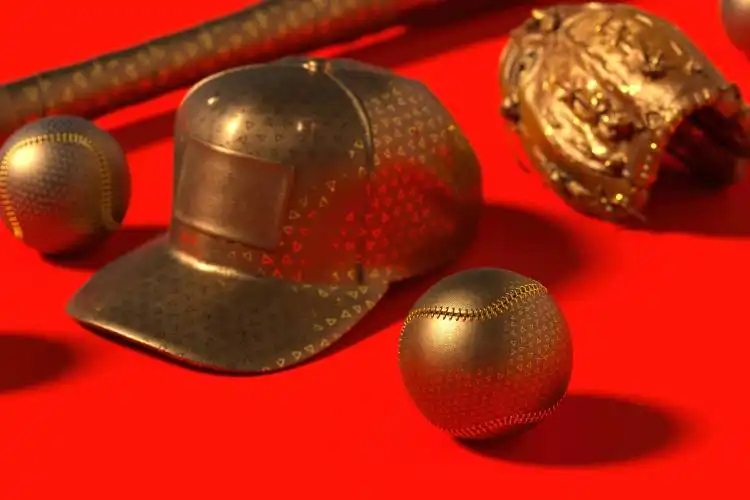
Typical planning profile
Compare the operating shape.
Model-based 1–5 starting estimates, not individually researched ratings or local cost, demand, and income predictions. How the scale works →
- Setup load
- 3/5ModerateRelative need for space, equipment, inventory, and working cash.
- First-sale speed
- 3/5ModerateRelative speed of reaching a credible paid test—not a promise of revenue.
- Solo fit
- 4/5Solo-friendlyHow naturally the model can begin with one owner before adding help.
- Rules and risk
- 2/5Some checksRelative need to verify licenses, safety, privacy, zoning, or insurance.
- AI leverage
- 3/5MeaningfulWhere AI can reduce administrative or production work while the owner remains accountable.
The honest take
Could this fit how you want to work?
Bronzing is typically a product and maker business model. A small batch or preorder can reveal whether customers value the product enough to cover materials, production time, defects, and selling costs.
- Owner labor is treated as free
- Too many custom options prevent repeatability
- Wholesale, shipping, defects, and returns erase the margin
How the business works
Customer, offer,
and operating model.
Use this as a starting hypothesis. The version that works depends on the customer, location, price, and delivery choices you make.
Who pays?
buyers who value the product’s function, design, customization, provenance, or convenience.
What do they buy?
a repeatable product line or clearly priced custom item.
How money arrives
Product or custom order. The exact pricing unit should match how the customer experiences value.
How it starts
Solo-first, usually in a workshop, studio, or small production space setting. Add people only when demand and the work are clear.
Two ways to use this idea
Starting from zero—or adding a new line.
The same idea creates different risks for a first-time founder and an established operator.
- 01
Define one buyer and the smallest version of a repeatable product line or clearly priced custom item.
- 02
Talk with at least ten relevant buyers who value the product’s function, design, customization, provenance, or convenience before building the mature version.
- 03
Ask for a paid pilot, deposit, preorder, booking, or another commitment that tests behavior rather than enthusiasm.
- 01
Offer bronzing first to customers who already trust the business.
- 02
Reuse existing staff, systems, space, suppliers, and customer knowledge only where they truly reduce cost or risk.
- 03
Track whether the new offer improves contribution and retention without creating hidden complexity in the core business.
Read the restored original guide
Restored original guide
Keep the useful detail. Recheck what can change.
The original Business.How guide for bronzing has been retained as a practical planning reference.
Step 1: Determine if the Business is Right for You
Breakdown of Startup Expenses
Before starting a bronzing business, it is important to understand the startup costs associated with the venture. This includes the cost of the bronzing equipment, the cost of any supplies needed to operate the business, the cost of any licenses or permits required to operate the business, and the cost of any marketing materials needed to promote the business. Additionally, it is important to consider the cost of any insurance needed to protect the business. All of these costs should be taken into account when determining if the business is the right endeavor.
Breakdown of Ongoing Expenses
Once the business is up and running, there are ongoing expenses that must be taken into account. This includes the cost of supplies, the cost of any licenses or permits required to continue operating the business, the cost of any marketing materials needed to continue promoting the business, and the cost of any insurance needed to protect the business. Additionally, it is important to consider the cost of any employees that may be needed to help run the business. All of these costs should be taken into account when determining if the business is the right endeavor.
Examples of Ways to Make Money
There are a variety of ways to make money in a bronzing business. This includes charging for the bronzing services, selling bronzing supplies, and offering additional services such as engraving or customizing bronzing pieces. Additionally, it is important to consider the potential for selling bronzing pieces online or in retail stores. All of these potential sources of income should be taken into account when determining if the business is the right endeavor.
Step 2: Name the Business
When deciding on a name for a bronzing business, it is important to consider the target audience. The name should be easy to remember and should reflect the services offered. It should also be unique and memorable. Consider using a combination of words that evoke a feeling of luxury and sophistication. Additionally, consider using a name that is related to the bronzing process, such as “Bronze Luxury” or “Bronze Elegance.”
Register the Business Name
Once the name is chosen, it is important to register it with the local government. This will ensure that no other business has the same name. Additionally, registering the business name will provide legal protection and will allow the business to open a business bank account. It is also important to check with the local government to make sure that the name is not already in use.
Create a Logo
Creating a logo for the business is an important step in establishing a brand identity. The logo should be simple and memorable. It should also reflect the services offered. Consider using a combination of colors and shapes that evoke a feeling of luxury and sophistication. Additionally, consider using a font that is easy to read and that reflects the style of the business.
Design a Website
Having a website is essential for any business. It is important to design a website that is user-friendly and that reflects the services offered. Consider using a combination of colors and shapes that evoke a feeling of luxury and sophistication. Additionally, consider using a font that is easy to read and that reflects the style of the business. Additionally, the website should include information about the services offered, pricing, and contact information. It should also include a blog to keep customers updated on the latest news and trends.
Step 3: Create a Business Plan
Creating a business plan is an important step in starting a bronzing business. A business plan should include a description of the business, a market analysis, an organizational plan, a financial plan, and a summary of the business.
The description of the business should include the purpose of the business, the products and services offered, the target market, and the competitive advantage. This section should also include the mission statement and any other information that is relevant to the business.
The market analysis should include an analysis of the current market, the size of the market, the target market, and the competition. This section should also include a description of the marketing strategy and any other information that is relevant to the market.
The organizational plan should include the structure of the business, the roles and responsibilities of each team member, and the management structure. This section should also include a description of the organizational culture and any other information that is relevant to the organization.
The financial plan should include a budget, a cash flow statement, and a profit and loss statement. This section should also include a description of the financial goals and any other information that is relevant to the finances.
The summary of the business should include a description of the business, the products and services offered, the target market, the competitive advantage, the marketing strategy, the organizational structure, and the financial goals. This section should also include a description of the long-term goals and any other information that is relevant to the business.
Step 4: Obtain Licenses and Permits
In order to start a bronzing business, it is important to research the necessary licenses and permits that are required in the area. Depending on the location, there may be different requirements for a business of this type. It is important to check with the local government to determine what is required and to make sure that all of the necessary paperwork is filled out and submitted.
Apply for Licenses and Permits
Once the research has been completed, the next step is to apply for the necessary licenses and permits. This may include a business license, a tax identification number, and any other permits that may be required. It is important to make sure that all of the paperwork is filled out correctly and that all of the necessary fees are paid.
Keep Records of Licenses and Permits
Once the licenses and permits have been obtained, it is important to keep records of them. This includes keeping copies of all of the paperwork and making sure that all of the licenses and permits are kept up to date. It is also important to make sure that all of the necessary fees are paid on time.
Comply with Regulations
Finally, it is important to make sure that all of the regulations are complied with. This includes making sure that all of the necessary paperwork is filed on time and that all of the necessary fees are paid. It is also important to make sure that all of the regulations are followed and that the business is operating within the law.
Step 5: Choose a Location
Choosing the right location for a bronzing business is essential for success. The location should be easily accessible, have ample parking, and be in an area with a high foot traffic. It should also be close to other businesses that could be potential customers. Additionally, the location should be in an area that is zoned for the type of business being conducted.
Securing a Lease
Once a location has been chosen, the next step is to secure a lease. This should include researching the terms of the lease, such as the length of the lease, the amount of rent, and any other fees associated with the lease. Additionally, it is important to read the lease carefully and make sure that all of the terms are understood. It is also important to ensure that the lease is in compliance with all local laws and regulations.
Obtaining Necessary Permits and Licenses
In order to legally operate a bronzing business, it is necessary to obtain the necessary permits and licenses. This includes obtaining a business license, a sales tax permit, and any other permits or licenses that may be required by the local government. Additionally, it is important to make sure that the business is in compliance with all local laws and regulations.
Setting Up the Business
Once all of the necessary permits and licenses have been obtained, the next step is to set up the business. This includes purchasing the necessary equipment, such as a bronzing machine, and any other supplies that may be needed. Additionally, it is important to create a business plan that outlines the goals and objectives of the business. This should include a budget, marketing plan, and any other information that may be needed to successfully operate the business.
Step 6: Purchase Equipment
In order to start a bronzing business, you will need to purchase a few pieces of equipment. This includes a bronzing machine, a spray gun, a compressor, and a few other tools. Depending on the type of bronzing business you are starting, you may also need to purchase additional items such as a tumbler, a polisher, and a vacuum. Additionally, you will need to purchase supplies such as bronzing powder, wax, and other materials.
Where to Purchase Equipment
When purchasing equipment for your bronzing business, it is important to shop around and compare prices. You can purchase equipment from local stores, online retailers, or even directly from the manufacturer. Additionally, you may be able to find used equipment at a discounted price. It is important to research the equipment you are purchasing to make sure it is of good quality and will last.
Cost of Equipment
The cost of equipment for a bronzing business can vary greatly depending on the type of equipment you are purchasing. Generally, the cost of the equipment will range from a few hundred dollars to several thousand dollars. Additionally, you may need to purchase supplies such as bronzing powder, wax, and other materials which can add to the cost.
Financing Options
If you are unable to purchase the equipment outright, there are a few financing options available. You may be able to get a loan from a bank or other lender, or you may be able to lease the equipment from a supplier. Additionally, you may be able to find used equipment at a discounted price. It is important to research the financing options available to you to make sure you are getting the best deal.
Step 7: Market the Business
When it comes to marketing a bronzing business, it is important to think outside the box. There are a variety of ways to market the business, such as creating a website, using social media, and advertising in local publications. Additionally, word of mouth is a great way to spread the word about the business. It is important to create a unique brand and logo to help customers remember the business.
Develop a Customer Base
Developing a customer base is key to the success of the business. It is important to create a customer loyalty program to encourage customers to come back. Additionally, offering discounts and promotions can help attract new customers. It is also important to reach out to local schools, businesses, and organizations to get the word out about the business. Finally, offering referral programs can help to increase the customer base.
Step 8: Set Up Accounting
Setting up an accounting system is an important step for any business. It is important to understand the different types of accounting practices and how they can be used to track expenses and income. Generally, businesses use either cash-basis or accrual-basis accounting. Cash-basis accounting is used when a business records income and expenses when they are received or paid. Accrual-basis accounting is used when a business records income and expenses when they are earned or incurred.
Setting Up an Accounting System
Once the type of accounting system is chosen, the business should set up an accounting system. This includes setting up a chart of accounts, setting up a general ledger, and setting up a system for tracking expenses and income. The chart of accounts is a list of all the accounts the business will use to track expenses and income. The general ledger is a record of all the transactions that have taken place in the business. The system for tracking expenses and income should include a way to record all transactions and a way to reconcile the accounts.
Hiring an Accountant
It is important to consider hiring an accountant to help with the accounting needs of the business. An accountant can help with setting up the accounting system, reconciling accounts, and preparing financial statements. An accountant can also provide advice on tax issues and other financial matters.
Record Keeping
Finally, it is important to keep accurate and up-to-date records of all transactions. This includes keeping receipts, invoices, and other documents related to the business. Keeping accurate records is important for tax purposes and for tracking the financial health of the business.
Step 9: Hire Employees
When it comes to hiring employees, it is important to find people who are passionate about the business and the services it offers. It is also important to make sure that the employees have the skills and experience necessary to do the job. Additionally, it is important to ensure that the employees are reliable and trustworthy. It is also important to make sure that the employees are properly trained and have the necessary certifications. Finally, it is important to make sure that the employees are properly compensated for their work.
Benefits of Hiring Employees
Hiring employees can be beneficial for a bronzing business in many ways. For one, having employees can help to increase the efficiency of the business. Additionally, having employees can help to increase the quality of the services offered by the business. Furthermore, having employees can help to reduce the workload of the business owner, allowing them to focus on other aspects of the business. Finally, having employees can help to increase the customer base of the business, as employees can help to spread the word about the business.
EXPLORE MORE CATEGORIES
Browse ALL Business Idea Categories
Requirements to verify
Rules depend on the exact location and offer.
- Check labeling, product-safety, and warranty rules
- Protect designs and use supplier documentation
- Confirm product liability and workspace requirements
Practical AI leverage · 3/5
Use AI around the work—not instead of accountability.
- Product research and operating documentation
- Listings, customer communication, and planning
- Production analysis and quality checklists
A practical first month
Move from curiosity
to useful evidence.
Keep the test smaller than the mature business. The goal is to discover what must be true before committing heavily.
- Week 1
Name the buyer and trigger. Describe which buyers who value the product’s function, design, customization, provenance, or convenience buy, what changes, and why they act now.
- Week 2
Map current alternatives. Review providers, substitutes, prices, delays, and the cost of doing nothing.
- Week 3
Price the smallest offer. Specify a narrow version of a repeatable product line or clearly priced custom item, including scope, direct costs, owner time, and exclusions.
- Week 4
Ask for commitment. Run direct outreach and seek a paid pilot, booking, deposit, preorder, or signed proposal.
Compare nearby models
Do not fall in love
with the first version.
Design & Creative Enterprises
3D Printing Design
Are you interested in starting a 3D printing design business? Learn the basics of 3D printing, the equipment and software you need, and how to market your business for success.
- Setup load
- Moderate
- First sale
- Moderate
- Solo fit
- Solo-friendly
- Rules & risk
- Some checks
Solo-firstProduct or custom order→
Arts & Crafts
Adult Coloring Book Company
Learn how to start an adult coloring book company. Get tips on creating a business plan, marketing plan, and financial plan. Plus, find creative ideas to make your business stand out.
- Setup load
- Moderate
- First sale
- Moderate
- Solo fit
- Solo-friendly
- Rules & risk
- Some checks
Solo-firstProduct or custom order→

Arts & Crafts
Aerial Arts Studio
Learn how to start an aerial arts studio. Get tips on designing, setting up, and running a well-run aerial arts business. Get started today!
- Setup load
- Moderate
- First sale
- Moderate
- Solo fit
- Solo-friendly
- Rules & risk
- Some checks
Solo-firstProduct or custom order→